The short answer
If your Santa Clara furnace won't heat, short-cycles, or makes new noises, we diagnose the cause and repair the failed part, such as an igniter, flame sensor, pressure switch, or blower component. We also give you straightforward repair-or-replace advice, including how local Air District rules affect future furnace replacements.
Santa Clara winters are mild, but the damp, chilly nights from late fall through early spring are when most homes here actually run the heat. Because furnaces in the area often sit unused for months, problems tend to show up all at once on the first cold evening: the blower runs but the air stays cool, the burners click and shut off, or nothing happens at all. CoolVantage Heating & Cooling repairs gas furnaces in homes across Santa Clara, about 9 miles northwest of our San Jose base. We find the actual cause, explain it in plain terms, and tell you whether a repair makes sense or whether it's time to start planning for something else.
Why Furnaces in Santa Clara Act Up When the Weather Turns
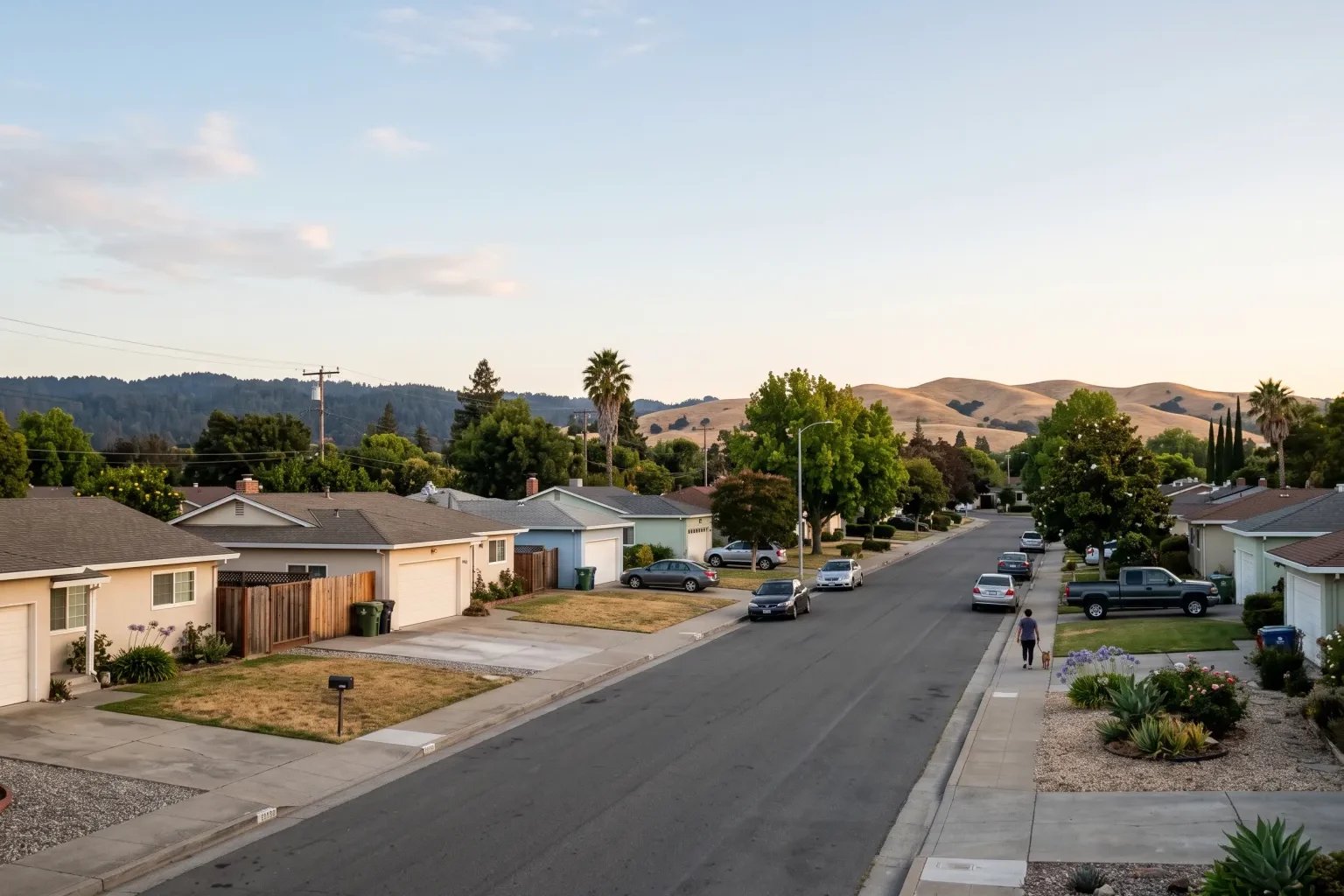
The Santa Clara Valley has a Mediterranean climate with dry summers and mild, damp winters. For a furnace, that means long idle stretches followed by short bursts of steady use. Dust settles on burners and sensors during the off months, and parts that were borderline last winter often fail on the first startup.
A faint burning-dust smell for the first few minutes of the season is normal. A smell that lingers, repeated shutdowns, or no heat at all usually points to a specific component that needs attention.
- Blower runs but the air from the vents is cool
- Burners light, then shut off after a few seconds
- Furnace turns on and off in short, frequent cycles
- Clicking, rattling, squealing, or a loud bang at startup
- Some rooms stay cold while others heat normally
- Error codes flashing on the furnace control board
What Happens During a Furnace Repair Visit
We start by asking what you've noticed and when it started, then run the furnace through a full heating cycle. That lets us see where the sequence breaks down, whether it's the inducer motor, the pressure switch, ignition, flame proving, or the blower.
Common fixes include cleaning or replacing a flame sensor, replacing a cracked hot surface igniter, clearing a blocked condensate line on high-efficiency units, replacing a failed pressure switch or capacitor, and correcting airflow problems caused by clogged filters or closed returns. We also check the venting and look at the heat exchanger area for signs of trouble, since those affect safety and not just comfort.
Before any work begins, we explain what we found and what the repair involves so you can decide how to proceed.
Repair or Replace? What Santa Clara Homeowners Should Know
Most furnace problems are repairable, and a working furnace that's been fixed can keep serving your home for a good while. We'll be honest when the age of the unit, the cost of the part, or a pattern of repeat failures makes replacement the more sensible choice.
Local rules matter here. Under Bay Area Air District Rule 9-4, natural gas furnaces manufactured from 2029 must meet a zero-NOx emission standard, which in practice points homeowners toward heat pumps when a furnace is replaced after that date. The rules don't require you to replace working equipment; they apply only when an existing furnace fails or is replaced. So repairing your current furnace is still a normal, reasonable option.
If you're weighing a heat pump down the road, note that the federal 25C tax credit covered qualifying heat pumps placed in service before December 31, 2025, and isn't available for new installations after that date. BayREN and your local clean energy provider may offer current electrification incentives. Those change by funding cycle, so we confirm the current offer before including it in any quote.
Quick Checks Before You Call
A few simple checks can sometimes restore heat or help us diagnose faster. If you smell gas, skip these. Leave the house and call your gas utility or 911 from outside.
- Confirm the thermostat is set to Heat and above room temperature, and replace its batteries if it uses them
- Check that the furnace filter isn't clogged
- Make sure the furnace power switch is on and the breaker hasn't tripped
- Confirm the furnace door panel is fully closed, since many units won't run without it
- Look for water around a high-efficiency furnace, which can signal a condensate drain problem
Serving Santa Clara and Nearby Cities
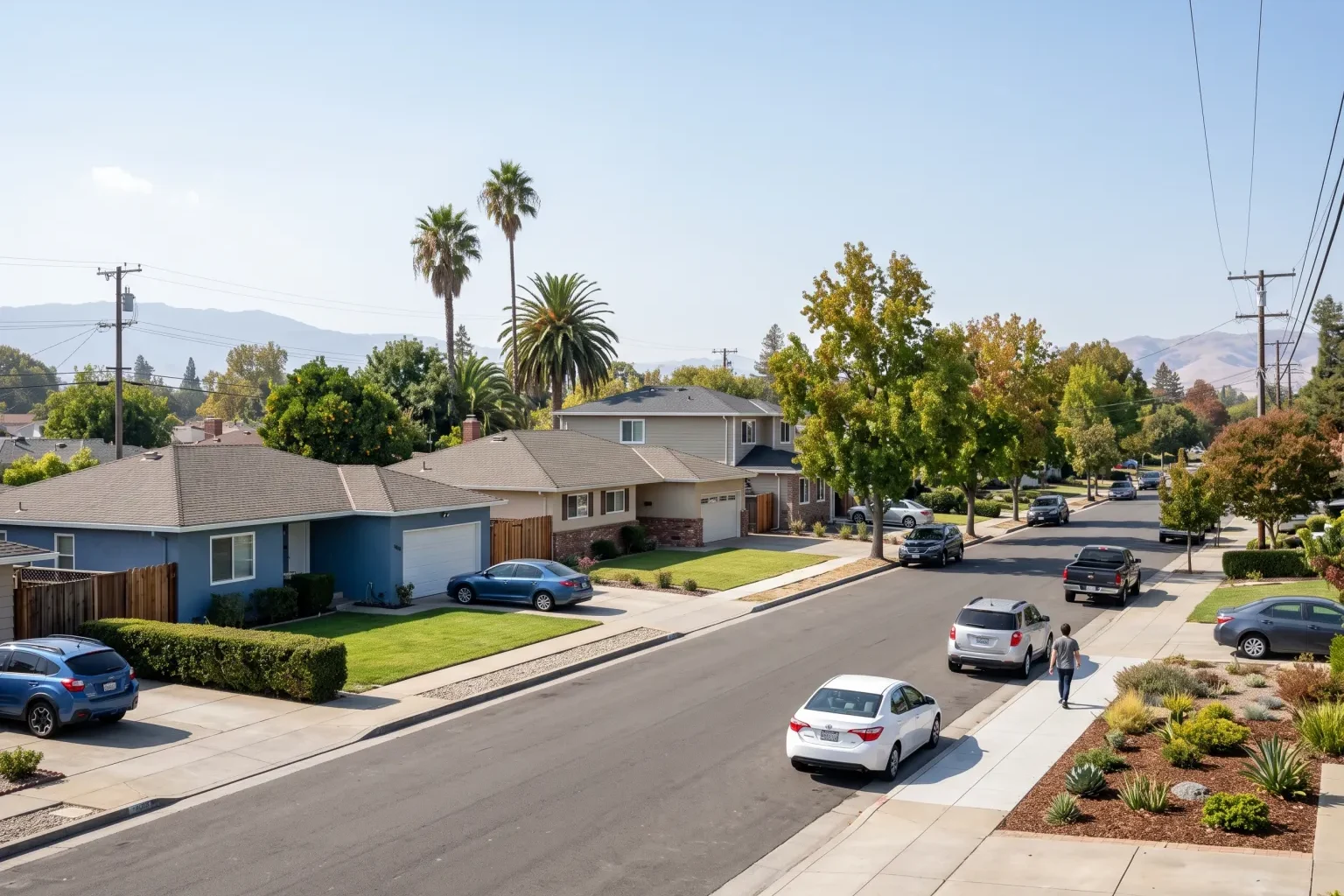
We handle furnace repair throughout Santa Clara, including ZIP codes 95050, 95051, 95053, and 95054. We also work in nearby Sunnyvale, Cupertino, Campbell, Milpitas, and Mountain View, so if you own property in more than one of these cities, one call covers them all.
More services in Santa Clara
- AC Repair in Santa ClaraLocal service & repairs
- Heating Repair in Santa ClaraLocal service & repairs
- Heat Pump Installation in Santa ClaraLocal service & repairs
- AC Installation in Santa ClaraLocal service & repairs