The short answer
A heat pump is a strong fit for most Santa Clara homes because the mild, damp winters and warm, dry summers fall well within what modern heat pumps handle efficiently. Air District rules won't force you to replace a working furnace, but furnaces made from 2029 must meet a zero-NOx standard, so planning a heat pump switch before your furnace fails gives you more options.
Many Santa Clara homes still heat with a gas furnace and cool with a separate air conditioner, or have no cooling at all. A heat pump does both jobs with one electric system, moving heat into the house in winter and out of it in summer. CoolVantage Heating & Cooling installs heat pumps for homeowners throughout Santa Clara, about 9 miles northwest of our San Jose base, including ZIP codes 95050, 95051, 95053 and 95054. This page explains how heat pumps fit local homes, what Bay Area Air District rules mean for your furnace, and what a typical installation involves.
Why heat pumps suit Santa Clara's climate
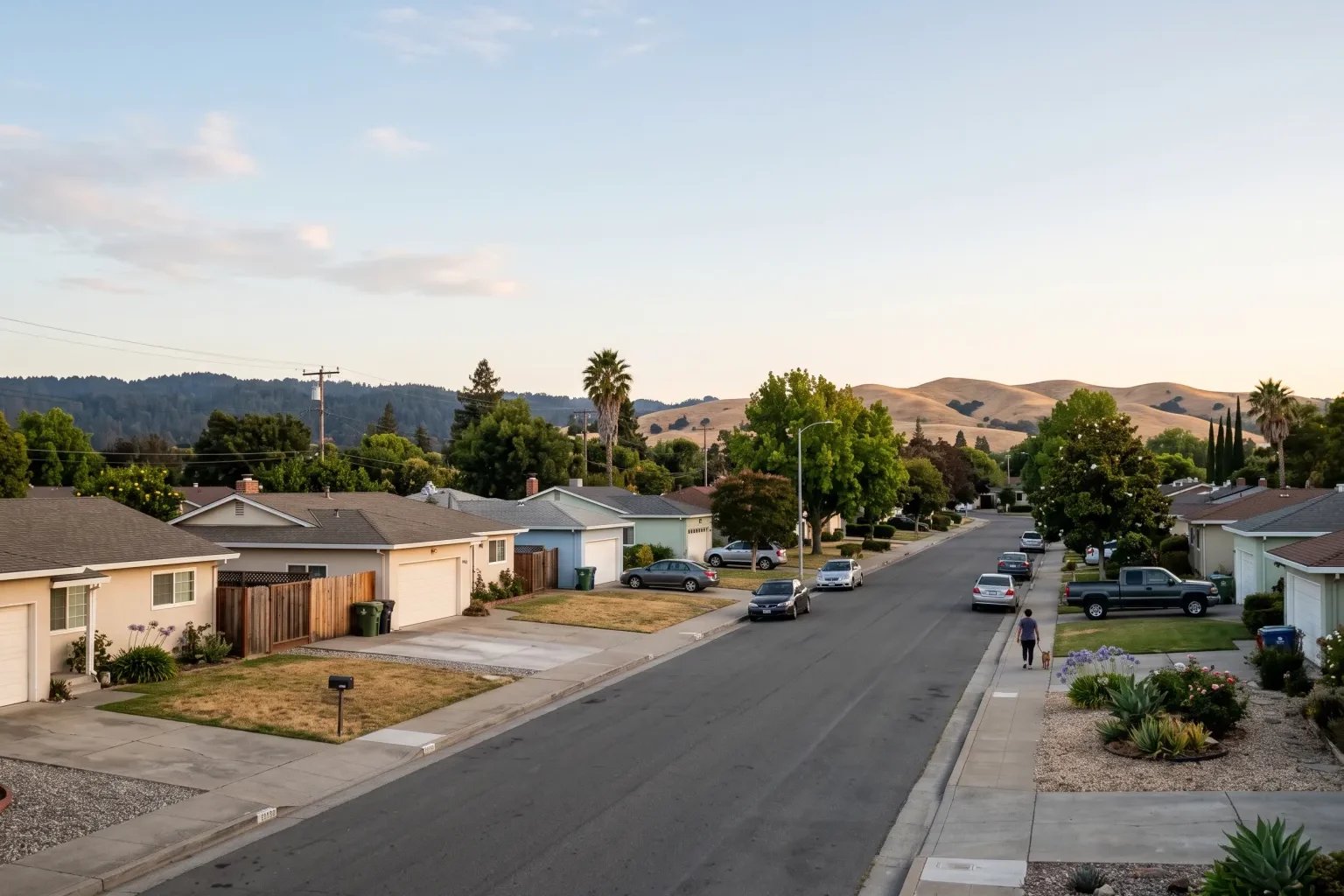
The Santa Clara Valley has a Mediterranean climate with dry summers and mild, damp winters. For heating, that means your system rarely faces long stretches of deep cold, and heat pumps perform efficiently in those conditions. You get steady, even warmth on chilly mornings instead of the blasts of hot air and long off-cycles that come with an oversized furnace.
Santa Clara sits closer to the Bay than the inland and southern parts of the valley, which run noticeably hotter in summer. Even so, warm afternoons can make upstairs bedrooms and west-facing rooms uncomfortable. If your home has no air conditioning today, a heat pump adds cooling without installing a second piece of equipment. If you already have an aging AC unit, a heat pump can replace both it and your furnace in one project.
What Air District rules mean for your furnace
Under Bay Area Air District Rule 9-4, natural gas furnaces manufactured from 2029 must meet a zero-NOx emission standard. In practice, that points homeowners toward heat pumps when a furnace is replaced after that date.
The rules do not require you to remove working equipment. They apply only when an existing furnace or water heater fails or is replaced. Still, if your furnace is getting older, it helps to plan now. Choosing a heat pump on your own schedule lets you compare options, check incentives and handle any electrical upgrades, rather than making a rushed decision on a cold night with no heat.
If you are also considering a heat pump water heater, note that the zero-NOx date for small water heaters under Rule 9-6 was set for 2027, and the Air District Board is considering amendments in November 2026 that could delay it. Check the current rule before planning that replacement.
Choosing the right setup for your home
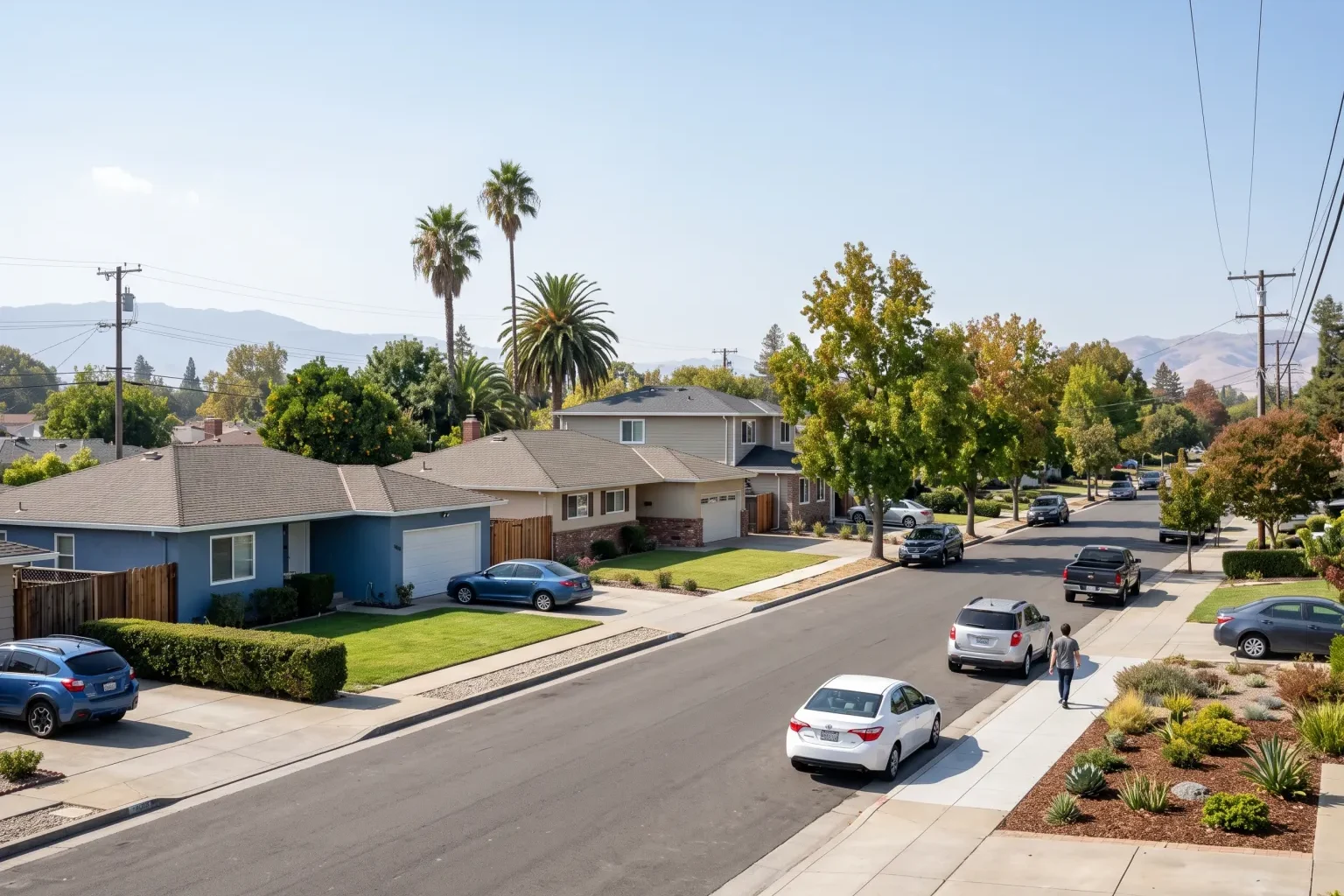
Santa Clara has a mix of single-story ranch homes, two-story houses, townhomes and remodeled properties with additions. The right heat pump setup depends on your ductwork, layout and electrical service.
- Ducted central heat pump: replaces a furnace and AC, usually reusing existing ducts after we check their condition and sizing.
- Ductless mini-splits: good for homes without ducts, converted garages, additions or rooms that never stay comfortable.
- Hybrid setup: pairs a heat pump with your existing gas furnace as backup, which can make sense if the furnace is still in good shape.
- Electrical check: we look at your panel and circuits to confirm whether the system can be added as is or needs electrical work first.
What happens during an installation
We start with a visit to your home rather than a guess based on square footage. A properly sized heat pump runs more efficiently and keeps rooms more comfortable than one that is too large or too small.
- Load calculation based on your home's insulation, windows, orientation and layout
- Inspection of existing ducts for leaks, damage or undersized runs
- Review of your electrical panel and the outdoor unit location, including clearance and noise considerations for neighbors
- Removal of old equipment, installation of the new system and thermostat setup
- Startup testing and a walkthrough of how to use the controls in heating and cooling modes
Incentives and tax credits: what's current
The federal Energy Efficient Home Improvement Credit (25C) covered qualifying heat pumps placed in service before December 31, 2025. It is not available for new installations after that date, so be cautious of older articles that still mention it.
Bay Area homeowners can check BayREN and their local clean energy provider for current heat pump and electrification incentives. Amounts and availability change by funding cycle, so we confirm the current offer before including it in a quote.
More services in Santa Clara
- AC Repair in Santa ClaraLocal service & repairs
- Heating Repair in Santa ClaraLocal service & repairs
- AC Installation in Santa ClaraLocal service & repairs
- Furnace Repair in Santa ClaraLocal service & repairs